What to Wear for Open Water Swimming (Beginner Guide)
Simple, thoughtful gear choices for your first swims
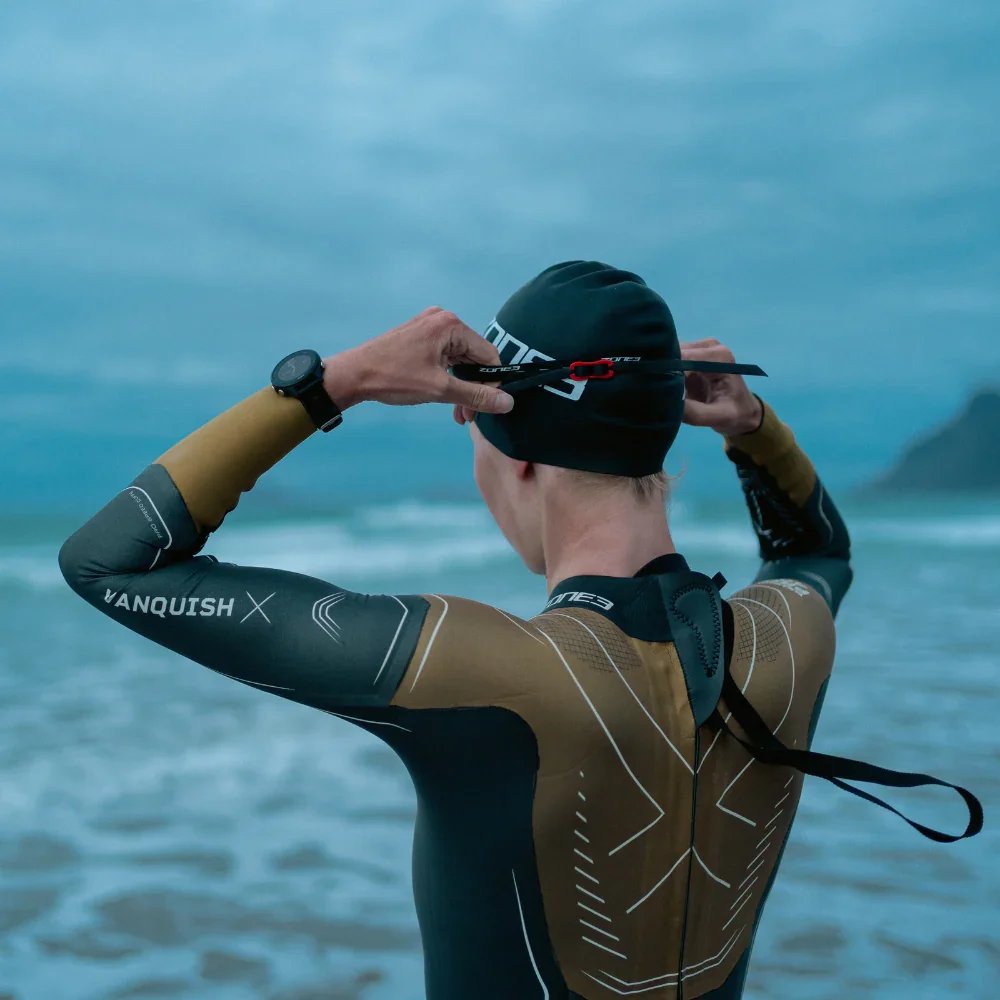
One of the first questions new open water swimmers ask is what they need to wear. The short answer is: less than you think.
Open water swimming doesn’t require a lot of specialized gear - traditionalists actually prefer to swim in “skins”, or only a swimsuit, cap and goggles. The goal is to feel comfortable, safe, and free to focus on the experience of swimming outside.
This guide walks through what matters, what doesn’t, and what you can decide later.
Start With the Basics
Before thinking about wetsuits or cold-water accessories, begin here.
Swimsuit
A comfortable swimsuit you already own is enough for your first swims. You should be able to move easily, breathe comfortably, and forget about what you’re wearing once you start swimming.
If you’re comfortable swimming in it in the pool, it’s likely fine for open water.
Goggles
Choose goggles that fit well and don’t leak. Comfort matters more than brand or style.
A few simple considerations:
Tinted or mirrored lenses help in bright light
Clear lenses work well on overcast days or in low visibility (and for the pool)
Having a second pair nearby is always a good idea
Swim Buoy
A swim buoy is strongly recommended to:
Makes you more visible to others
Provides a place to rest if needed
Adds a layer of reassurance without affecting your stroke
Think of it as a safety tool, not a performance accessory.
When a Wetsuit Makes Sense (and When It Doesn’t)
Wetsuits can add warmth and buoyancy, but they aren’t required for all open-water swimming.
A wetsuit may be helpful if:
The water is cold enough to affect comfort or breathing
You’re swimming for longer periods
Conditions are challenging
A wetsuit isn’t necessary if:
The water is warm
Your swims are short
You’re just beginning and want to keep things simple
If you’re unsure, start without one. You’ll learn quickly what feels comfortable for you.
(See my Guide for What to Wear in Different Water Temperatures)
Cold Water Accessories: Decide Later
Items like neoprene caps, gloves, and booties can be useful in colder water, but don’t need to be part of a beginner starter kit.
These decisions are easier after a few swims:
You’ve swum in open water a few times
You understand how cold affects you
You know the typical conditions where you swim
A Word on Fit and Familiarity
Whatever you wear, make sure you’ve used it before an important swim.
New gear can feel different in open water — tighter, looser, warmer, or more restrictive than expected. Familiarity builds confidence, and confidence keeps swimming enjoyable.
Final Thoughts - Keep the Focus on the Experience
What you wear should support your swimming, not distract from it. When your gear fades into the background, you’re free to focus on the rhythm of your stroke, the feel of the water, and the experience of being outside.
That’s the point.
From here, the next step is learning how to ease into your first open water swims.