Beginner’s Guide to Open Water Swimming
What it is, why people love it, what to expect, and why you’re capable
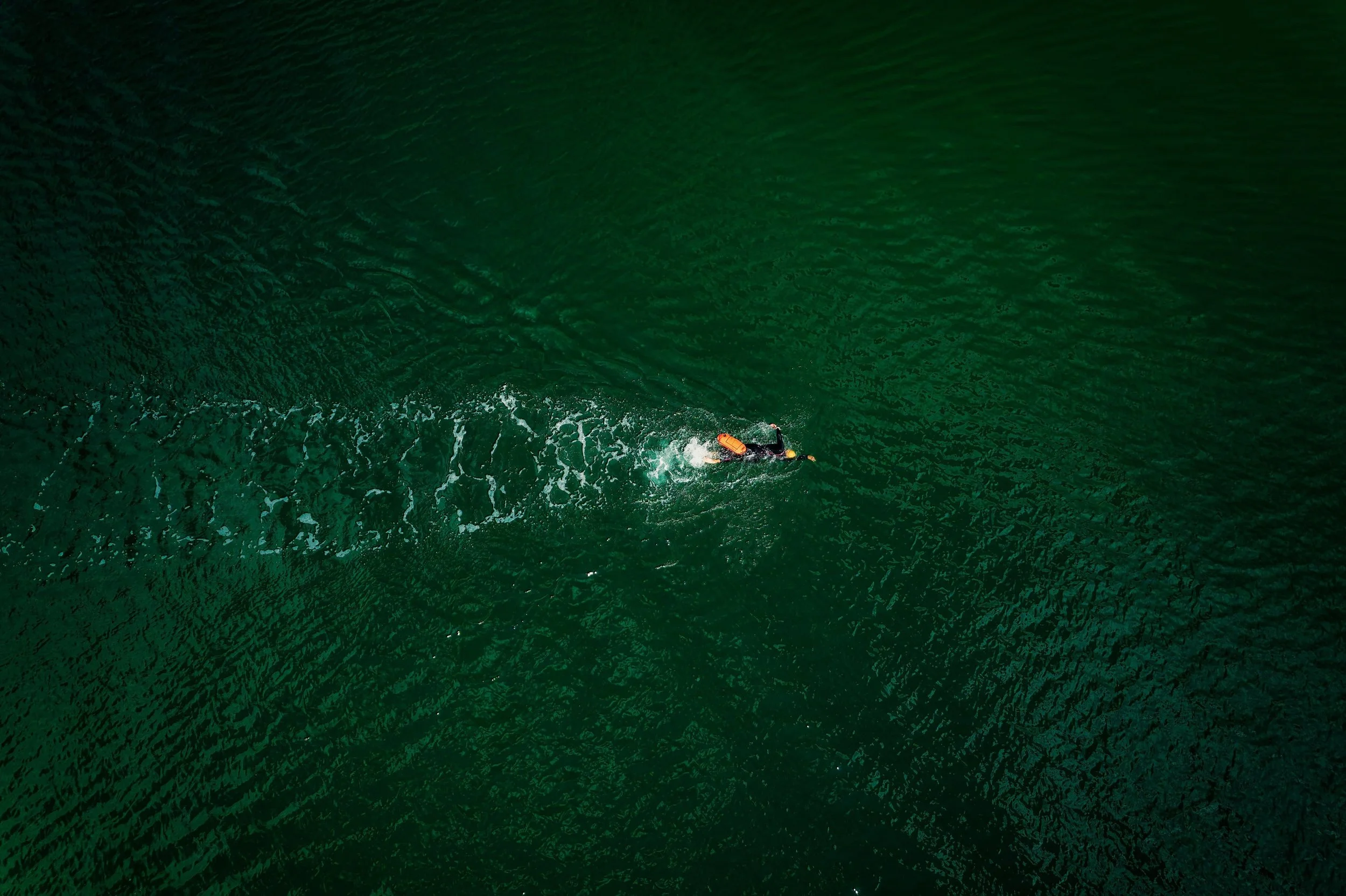
What to expect, how to start, and Feeling confident beyond the pool
Open water swimming sounds intimidating to a lot of people — even strong pool swimmers. I thought as a strong and confident pool swimmer I had nothing to worry about, but the elements add a new layer of challenges and excitement.
Here’s what I’ve learned since my first open water swim: it isn’t about being fearless or extremely strong; it is about relentlessness, preparation and expecting the unexpected.. This guide will help with those initial steps.
What Is Open Water Swimming?
Open water swimming takes place in natural environments like lakes, rivers or oceans, instead of pools. There are no walls to rest on, no lane line to guide you, and conditions can change from one day (or even one minute) to the next.
That doesn’t mean open water is chaotic or unsafe, but it does mean the cues you rely on in the pool are replaced by awareness, confidence and mental strength.
Do You Need to Be an Advanced Swimmer?
No — You don’t need perfect technique or elite speed to start open water swimming. What you do need is:
Basic comfort swimming continuously
Familiarity with your breathing
Curiosity
Mental Fortitude
Many strong pool swimmers struggle early on (I did!), while calmer, steadier swimmers adapt quickly.
What Feels Different (and Why)
Understanding what’s different helps remove some of the pre-swim unease.
No Walls or Lane Lines
Without push-offs or typical pool markings requiring sighting, swims can feel longer and more tiring.
Water Temperature
Open water is often colder than a pool. Cool water can temporarily disrupt breathing until you settle in and acclimate.
Limited Visibility
You may not see the bottom — or anything at all. This can be unsettling mentally or a bonus depending on the person.
Waves, Chop, or Current
Even small movements feel exaggerated. Learning to stay relaxed, adjust expectations and have a plan matters.
Common Beginner Mistakes (I’ve Made All of These)
Going out too hard, especially in colder water.
Holding your breath if anxiety hits
Using new gear for a race or overbuying gear before you know what you really need
Expecting pool paces and sensations to translate over to the open water
Open Water Safety Basics
Open water swimming is very safe when approached with intentionality.
Before you swim:
Choose a location where other swimmers are likely to be present (or people will be on the shore)
Stay close-ish to shore (so people on shore can see you)
Swim with a safety buoy
Be aware of water temperature and weather (and prepare appropriately)
Avoid swimming alone if at all possible
How to Start - A Calm Progression
Wade into the water at a comfortable pace
Swim a short distance close to shore to acclimatize - expect initial temperature shock if the water is on the cooler side
Pick a ‘landmar'k’ to identify where you’ll get out of the water when you’re finished swimming
Set a conservative time goal and try to swim for that long, ending up where you started - out and backs work well.
Consider any time in the water and acclimatization a win!
Pool vs Open Water: What Transfers (and What Doesn’t)
Transfers well:
Endurance fitness
Basic stroke mechanics
Breathing rhythm
Takes adjustment:
Sighting (looking forward periodically)
Adjusting technique based on conditions
Adjusting technique based on gear
Staying relaxed in cooler water
The pool remains your primary training space, but with focused training to support your open water goals. I cover that in more detail in a separate guide.
What You Need to Begin - Keep it Simple
A comfortable swimsuit
Goggles
Swim Buoy (highly recommended for safety)
A calm mindset
Optional, but helpful: water proof watch to help you gauge how long you swim
Gear like wetsuits and other cold water accessories depend on conditions and goals, and those decisions get easier once you’ve spent some time in open water.
Final Thoughts
Open water swimming is a fantastic adventure. By being informed, prepared, and feeling comfortable in the water, you set yourself up for success. If you’re curious about it, that’s enough to begin.
From here, the next steps are learning how to train in the pool for open water, deciding what to wear as conditions change, and building confidence over time — all things I can walk you through.