Open Water Swimming conditions: What to Wear and When
Simple choices for warm, cool, and cold water
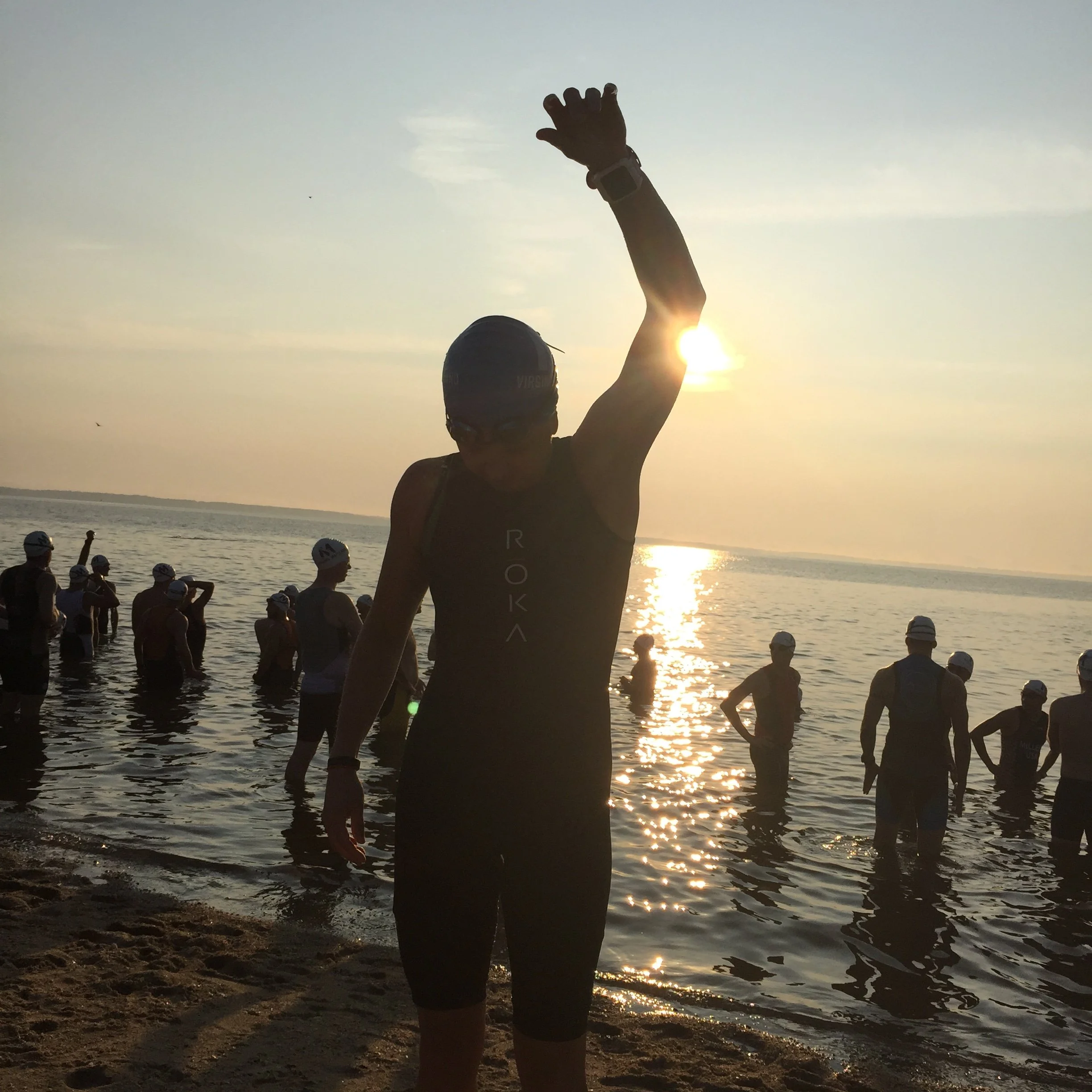
One of the most confusing parts of open water swimming isn’t swimming itself — it’s understanding how water conditions affect what you wear.
Unlike the pool, open water changes. Temperature, wind, and duration all matter, and the right choice isn’t about toughness or gear — it’s about staying comfortable enough to swim calmly.
This guide explains how to think about water conditions and what to wear, without overcomplicating the decision.
Why Conditions Matter
In open water, temperature affects breathing, comfort, and control more than how far you swim.
Two short swims can feel completely different depending on:
Water temperature
Air temperature and wind
How long you plan to stay in
Whether you stop or swim continuously
Understanding conditions helps you choose gear that supports calm swimming — not endurance through discomfort.
Warm Water (Generally Comfortable Without Extra Gear)
In warmer conditions, open water swimming feels closest to pool swimming.
What usually works well:
Regular swimsuit
Goggles
Swim buoy
If the water feels comfortable when you enter and your breathing settles quickly, you’re likely dressed appropriately.
Warm water is a great environment for first swims and building confidence.
Cool Water (Where Decisions Start to Matter)
Cool water is where many swimmers feel uncertain — not because it’s unsafe, but because sensations change.
You may notice:
Sharper initial cold
Faster breathing at entry
A longer warm-up period
Common choices in cool water:
Swimsuit with shorter swim durations
Wetsuit for warmth and buoyancy
Neoprene cap if heat loss feels distracting
There’s no universal cutoff. What matters is whether you can swim calmly after the first few minutes.
Cold Water (Comfort and Safety Come First)
In cold water, staying warm enough to breathe steadily and maintain control becomes the priority.
Cold water often calls for:
A well-fitting wetsuit
Neoprene cap
Possibly gloves or booties, depending on exposure
If your breathing never settles or your hands and feet become numb quickly, the conditions — not your fitness — are likely the limiting factor.
Shorter swims are completely valid here.
A Note on Wetsuits and Buoyancy
Wetsuits add warmth, but they also change body position.
For beginners, this can be helpful:
Increased buoyancy
More stability in choppy water
Reduced energy cost
The tradeoff is reduced sensory feedback and a slightly different stroke feel. Neither is good or bad — just different.
(To Learn More: My Top Wetsuit Recommendations)
Let Experience Guide Your Choices
Instead of chasing perfect rules, let each swim teach you something.
After each session, ask:
Did my breathing settle?
Did I feel distracted by cold?
Was I comfortable enough to focus on swimming?
Those answers matter more than temperature charts.
What You Don’t Need to Decide Yet
You don’t need:
A full cold-water setup immediately
Multiple wetsuits
Extreme gear for moderate conditions
Most swimmers build their kit gradually as seasons change.
Final Thoughts
Water conditions shape the open water experience, but they don’t need to complicate it.
Dress for comfort, not bravado. Choose gear that allows you to swim calmly and leave the water feeling steady — not depleted.
With time, these decisions become intuitive.