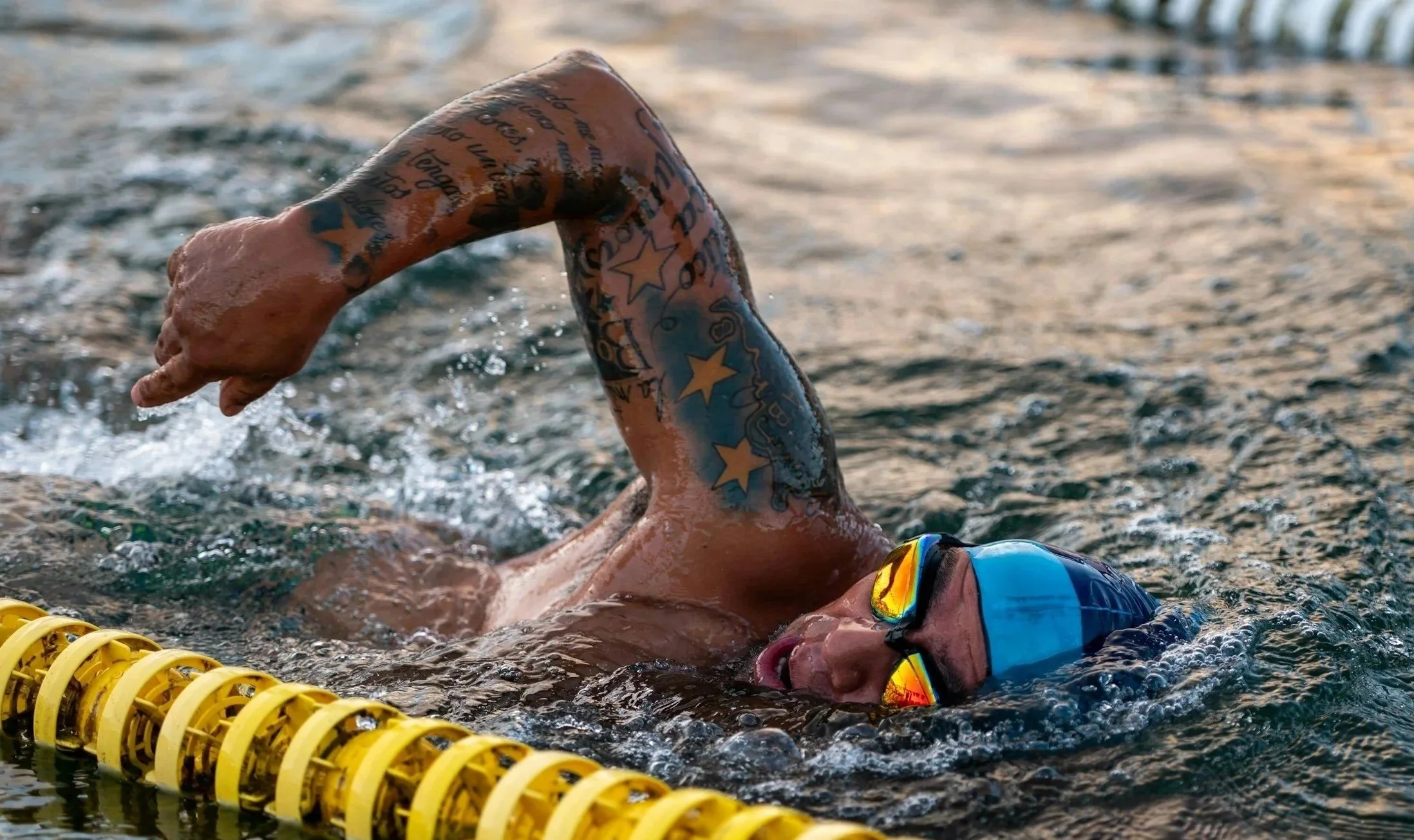
How to Use Pool Time to Build Comfort, Confidence, and Skills for Open Water
Unless you’re lucky enough to live beside a great body of water, most open water prep happens in a pool. While the pool can’t replicate open water conditions, it does build the foundation that matters most: strength, breathing comfort, stroke familiarity, and confidence swimming continuously.
This guide focuses on how to use pool time to feel more prepared, and more capable when you take your swimming outside.
What Pool Training Is Really For
Pool training supports open water swimming in a few essential ways:
Building comfort swimming continuously
Developing endurance and strength
Establishing a steady, relaxed breathing pattern
Learning how your stroke holds up under fatigue
Building confidence for your intended distance or time
What Feels Different in Open Water (and Why)
Some parts of open water can’t be practiced in a pool. Knowing this ahead of time makes the transition easier.
No Walls or Lane Lines - Without push-offs, lane lines or swim sets to break up a workout, swims often feel longer and more tiring in open water.
Water Temperature - Open water can be cooler than a pool; initial temperature shock can disrupt breathing until you settle and acclimate.
Limited Visibility - You may not see the bottom — or anything at all. This can feel unsettling at first or oddly calming, depending on the swimmer.
Waves, Chop, or Current - Even small movements in the water can feel exaggerated. Staying relaxed and adjusting expectations accordingly matters.
Common Beginner Mistakes (I’ve Made All of These)
Going out too hard, especially in colder water
Holding your breath when anxiety hits
Expecting pool pace and sensations to translate directly
Using new gear on race day or buying too much gear too early
Open Water Safety Basics
Choose locations where other swimmers or people on shore are present
Stay reasonably close to shore when starting out
Swim with a safety buoy
Be aware of water temperature and weather, and prepare accordingly
Avoid swimming alone whenever possible
Challenge yourself, but listen to your body and stay within your comfort zone. Always make sure you have enough stamina to safely get back to shore
Let someone know where you are and how long you plan to swim - check in when starting and ending the swim
Feeling safe makes it easier to stay calm.
What You Need to Begin (Keep It Simple)
Essential
A comfortable swimsuit
Goggles
Swim buoy
Nutrition (depending on swim duration)
Optional but helpful
Waterproof watch to track time
Wetsuits and cold-water accessories depend on conditions and goals, and those decisions get easier once you’ve spent time in open water.
(To Learn More: What to Wear for Open Water Swimming)
How to Start: A Calm Progression
Wade into the water at a comfortable pace
Swim a short distance close to shore to acclimate
Expect brief temperature shock in cooler water
Pick a visible landmark for where you’ll exit the water (being in the water for awhile can be disorienting)
Set a conservative time goal
Swim short out and backs close to your entry point if that helps
Count any time in the water as a win
Acclimatization is progress.
Pool vs. Open Water: What Transfers (and What Doesn’t)
Transfers well:
Endurance fitness
Basic stroke mechanics
Breathing rhythm
Mental resilience and focus
Nutrition planning, if your swims are long enough to require it
Takes adjustment:
Sighting
Technique changes based on conditions
Gear adaptation
Staying relaxed in cooler water
The pool remains your primary training space — it just needs to be used with open-water goals in mind.
(Coming Soon: How to Train in the Pool for Open Water Swimming)
Final Thoughts
Open water swimming is an adventure. With preparation, awareness, and comfort in the water, it becomes a fantastic, lifelong hobby with countless bodies of water to explore, and every day is different so you’re never going to experience the same swim twice. If you’re curious and motivated, that’s enough to begin.
From here, the next steps are learning how to tailor pool training for open water, understanding gear as conditions change, and building confidence over time — all things I can help you walk through.